
Table of Contents
GTA 6 Delayed Until 2026: Breaking News Confirms!
The air in the gaming world has been thick with anticipation, punctuated by whispers and occasional confirmed updates regarding the long-awaited Grand Theft Auto VI. What was once speculated to land in the current generation of consoles might now be facing a significant postponement. Recent reports and official statements suggest that Rockstar Games is indeed delaying its flagship title, pushing back the launch window considerably.
The latest confirmed information indicates that Rockstar has internally acknowledged the need to extend development time, resulting in an official release window targeting a late 2026 launch. This isn’t just a minor slip; it’s a substantial shift from previous expectations, casting a long shadow over the timeline fans have come to expect. While the exact reasons behind this delay remain officially undisclosed, industry analysts and dedicated gamers are dissecting the possibilities, hoping to piece together the narrative behind this significant postponement.
Rockstar’s History: The Single-Player First Approach
To understand the potential implications of the “GTA 6 Delayed” situation, it’s crucial to delve into Rockstar’s established development philosophy. One of the most consistent aspects of their approach, particularly with the Grand Theft Auto series, has been their unwavering commitment to prioritizing the single-player experience. This principle dictates that the core campaign – the sprawling narrative, intricate missions, and vast world players immerse themselves in – must be fully realized and content-complete before online features are rolled out or potentially even integrated.
For context, consider the release strategies of Grand Theft Auto V and RDR2. Both were landmark titles that broke records and redefined the series. Crucially, neither game was delayed to accommodate its online component. GTA V, initially teased for a potential 2013 launch, was eventually released in 2015 (PlayStation 3, Xbox 360) and later on newer platforms, with its online mode flourishing post-launch. Similarly, RDR2 launched in 2019 to massive critical acclaim, with its online activities developing organically afterwards. This pattern strongly suggests that Rockstar views the single-player campaign as the bedrock upon which the entire franchise rests.
The Significance of “Single Player First”
Adopting a “single player first” strategy has several potential benefits for Rockstar:
- Enhanced Narrative Coherence: By ensuring the single-player story is fully baked, Rockstar can guarantee a cohesive and impactful narrative experience for the core audience. This prevents online features or post-launch content from inadvertently undermining key plot points or player choices.
- Reduced Development Friction: Focusing resources primarily on the core campaign allows developers to pour their creativity into world-building, character development, and gameplay mechanics without the immediate pressure of online infrastructure, matchmaking systems, and persistent world balancing.
- Stronger Initial Sales Catalyst: A compelling single-player campaign often serves as the primary draw for initial purchases. A polished, content-rich single-player mode can drive significant launch sales, which then provide the user base for online features to gain traction organically.
Why Delaying GTA 6?
If Rockstar steadfastly adheres to this principle, then the “GTA 6 Delayed” news likely points to internal assessments that the single-player experience requires more time than previously projected. Development is inherently complex, especially for a game of GTA VI’s anticipated scale. Vast open worlds, intricate storytelling, innovative gameplay mechanics, and seamless transitions between action and narrative demand meticulous craftsmanship.
The reasons cited for delays in major titles often revolve around:
Content Completeness: Rockstar is known for its high standards, often delaying releases until they feel truly finished. The desire to ensure every mission, side quest, and corner of the map is polished and offers the depth fans expect can easily extend timelines.
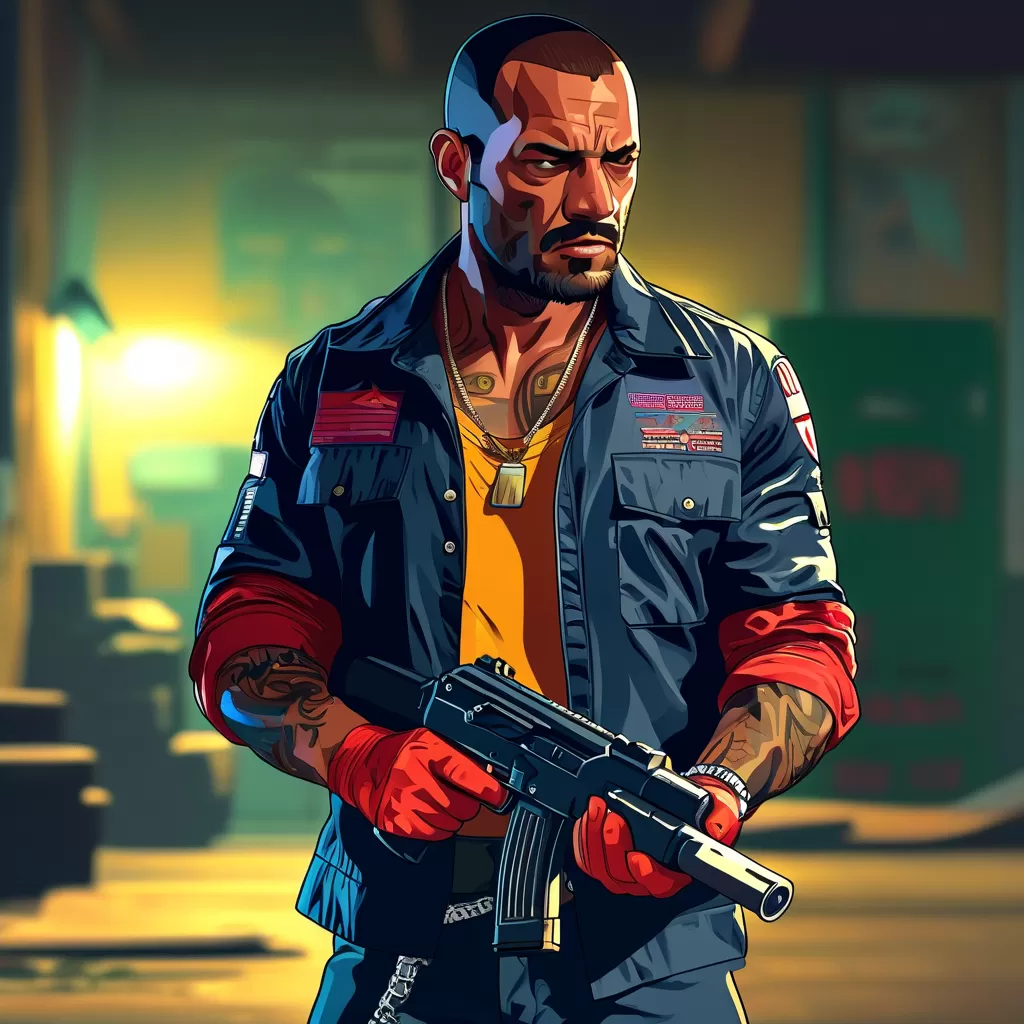
Technical Challenges: Pushing the game to the next generation of hardware presents significant technical hurdles. Achieving the desired visual fidelity, performance consistency across various platforms, and robust stability requires extensive testing and optimization. **GTA 6 News: Explosive Leaks, Development Secrets & Everything We Know So Far**
Scope Creep: As development progresses, new ideas, features, and improvements often emerge. While exciting, these additions can significantly expand the game’s scope, necessitating more time to integrate and refine them without compromising the core experience.
The Impact of Delay: Fan Reactions, Market Dynamics, and the Road Ahead
The confirmation of a delay for GTA 6 invariably sparks a range of reactions across the gaming community. Understanding these reactions and the broader implications provides context for the significance of the delay itself.
Fan Perspectives: Disappointment and Understanding
For millions of gamers worldwide, the prospect of another delay after years of waiting is understandably frustrating. The hype surrounding GTA VI has been building for a considerable time, fueled by leaks, trailers, and developer interviews outlining an ambitious scope. A delay means:
- Anticipation Turning to Frustration: Fans eagerly anticipating the game may experience a dip in enthusiasm or feelings of disappointment. The waiting period is extended, pushing the dream launch further into the future.
- Speculation and Uncertainty: Delays often lead to increased speculation about the game’s state of development, potential compromises, or even questions about Rockstar’s internal processes.
- Opportunity Cost: Players might find themselves exploring other highly anticipated titles or franchises during the interim, potentially delaying their engagement with GTA VI once it finally launches.
However, a segment of the fanbase often understands the reasoning behind delays, particularly when adherence to quality standards is the primary driver. They recognize that a rushed single-player experience, potentially sacrificed for an earlier online launch, might ultimately be less rewarding than a meticulously crafted campaign released later. This understanding, while not eliminating frustration, adds a layer of complexity to the fan reaction. Here are a few options for an attractive article title:
1. **GTA 6 Release Date Confirmed: Prepare for the Next Heist!** (13 words)
2. **Rockstar Announces GTA VI Release Date: Everything You Need to Know** (14 words)
3. **The Countdown Begins: GTA 6 Release Date Set for May 2026** (13 words)
4. **GTA VI: When is it
Market Implications: Launch Windows and Competition
The timing of a major release like GTA VI has significant market implications. The gaming industry operates on release cycles, and a delay can affect:
Competitive Landscape: A delay means GTA VI won’t compete with other highly anticipated titles in its original window. This could potentially allow Rockstar to capture market share without direct competition, but it also means missing out on synergistic marketing opportunities or potentially cannibalizing sales if the game is released shortly after another blockbuster. **GTA VI Release Date Confirmed: Prepare for an Epic New Adventure!**

Platform Sales and Strategy: Major third-party titles are often key drivers of console sales. A delay could impact the sales momentum of the target platforms during the intended launch window. Conversely, a delay might align the game better with platform sales cycles or hardware launches.
Economic Factors: Development budgets for AAA games are massive. A delay adds months or even years to the development cycle, increasing costs significantly. This financial pressure influences not only Rockstar but potentially the entire publishing ecosystem supporting such large-scale projects.
The Roadmap Ahead: What Comes Next?
With the official delay to late 2026 confirmed, the immediate focus for Rockstar and the community shifts to managing expectations and looking ahead.
Managing Expectations: Clear communication from Rockstar will be paramount. While specifics are scarce, acknowledging the reasons for the delay (if they deviate significantly from the single-player-first principle) and providing updates on development milestones will be crucial to maintain fan trust.
Speculation on the Delayed Release: The confirmed late 2026 window opens up questions. Will this delay incorporate the development of online features more deeply into the initial release? Or will it signify that the single-player experience truly requires this extra time? Fan communities will continue to speculate, generating content, fan theories, and modding projects in the interim.
Focus on Other Projects: While GTA VI takes center stage, delays inevitably impact the schedules of other titles in Rockstar’s portfolio. Games like Red Dead Redemption 2 (which is perpetually updated) and newer entries in the Max Payne or Manhunt series might receive less immediate attention, at least until the GTA behemoth is finally ready.
The Future of GTA VI: Anticipation Persists
The official confirmation of a late 2026 launch date for Grand Theft Auto VI marks a definitive turning point in its development journey. While the news brings disappointment to long-waiting fans, it also underscores the immense scale and ambition Rockstar attributes to this next-generation entry.
The delay reinforces the narrative surrounding Rockstar’s “single player first” philosophy. If the primary reason cited for the postponement is the need to perfect the core campaign experience, it signals a commitment to delivering a potentially landmark single-player adventure