Table of Contents
Grand Theft Auto: Vice City – A Retro Tale of Crime and Corruption
Welcome to the neon-drenched streets of Los Santos, a city pulsating with the rhythms of the 1980s. Welcome to GTA Vice City, a landmark title in the Grand Theft Auto series that transports players back to a time of big hair, excess, pastel suits, and rampant crime. Released in 2002, Vice City wasn’t just another entry in the burgeoning action-adventure franchise; it was a deliberate trip back in time, reimagining Rockstar’s signature open-world formula through the lens of its most iconic decade. While the core mechanics of exploring an open environment and engaging in criminal activities remained, the setting and the narrative wrapped around it offered a unique flavor that continues to captivate players decades later.
The Setting: Los Santos in the 1980s
The heart of Vice City’s appeal lies in its meticulously crafted setting. Rockstar chose the 1980s as Vice City’s backdrop for a reason. It was a decade brimming with cultural phenomena – think shoulder pads, leg warmers, leggy models, and synthesizers dominating the music scene. This era provided a rich tapestry for world-building, allowing the developers to infuse the game’s environment with an abundance of period-specific details. From the towering “Vice Towers” skyscrapers to the sprawling suburban neighborhoods, the city is a vibrant, living entity.
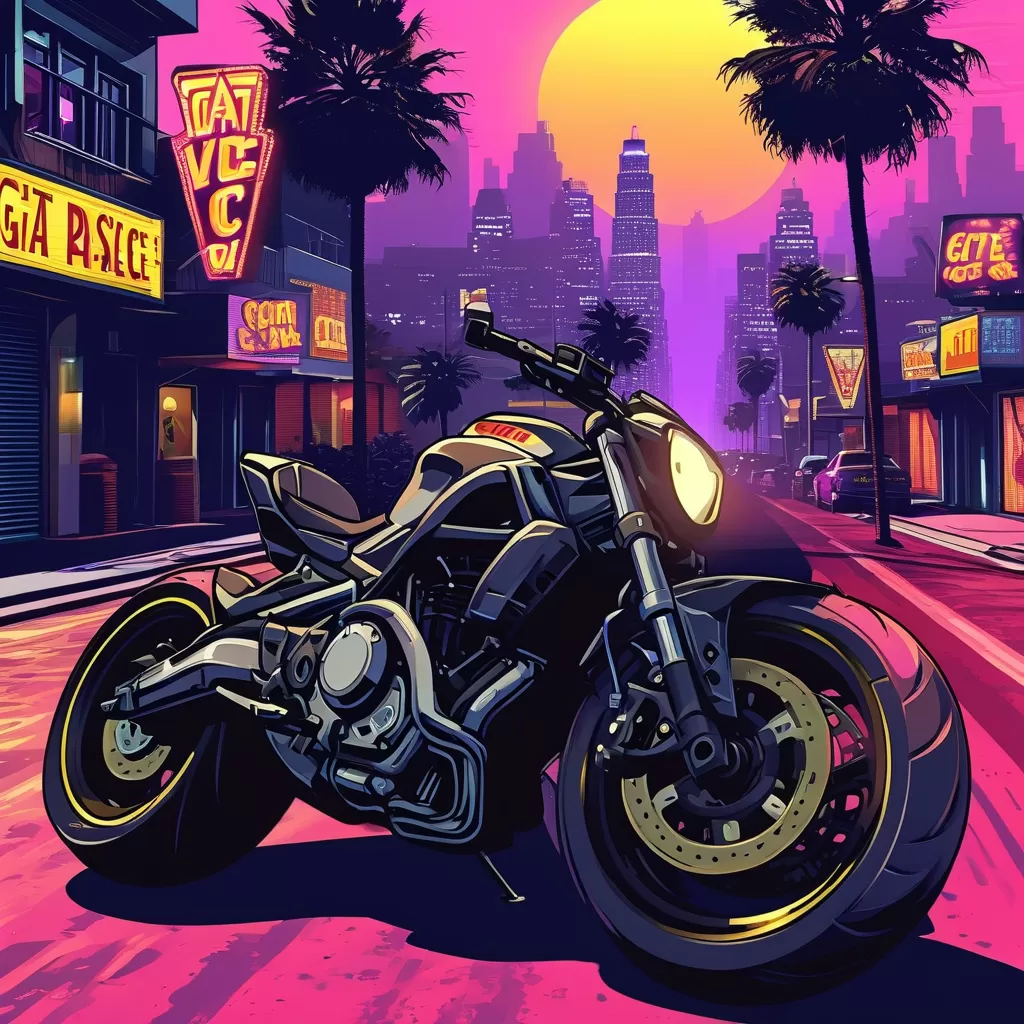 – Aerial view of Vice City, showcasing its distinct 1980s architecture and skyline.
Vice City is depicted as a place teeming with “delights and degradation,” as the game’s description famously put it. This dichotomy is palpable everywhere you look. You might be cruising down San Fierro Boulevard listening to synth-pop, then find yourself in a gritty vice district or a dangerous smuggling operation. The attention to detail is astounding – neon signs glow brightly, characters sport the fashion trends of the era, and the music soundtrack perfectly captures the soundscape of the 80s. This isn’t just a generic crime-ridden metropolis; it’s a specific, nostalgic slice of Americana turned corrupt. The 1980s setting isn’t just window dressing; it’s integral to the game’s atmosphere, providing the context for the story and the characters.
Gameplay and Narrative: A Tale of Two Experiences
While GTA Vice City shares many DNA sequences with its predecessors like GTA III and GTA: San Andreas, its presentation and narrative structure feel distinct. The gameplay retains the core tenets of the series: open-world exploration, driving, shooting, stealth, and a branching narrative driven by choices. However, the interface and presentation lean more towards the arcade sensibilities of earlier GTA games compared to the relative realism of San Andreas.
The story follows Clem Russo, a low-level crook from New York who arrives in Vice City needing $2 million to bail out his uncle. His initial plan falls apart, and he finds himself embroiled in the local criminal underworld, specifically targeting the powerful Carrie Lee Presley, the undisputed queen of Vice City crime. Along the way, Clem encounters a colorful cast of characters, from his loyal friend Ken Rosenberg (a sharp-dressed, slightly unhinged associate) to various gangs, mob bosses, and even a rival mobster named Corn Pop.
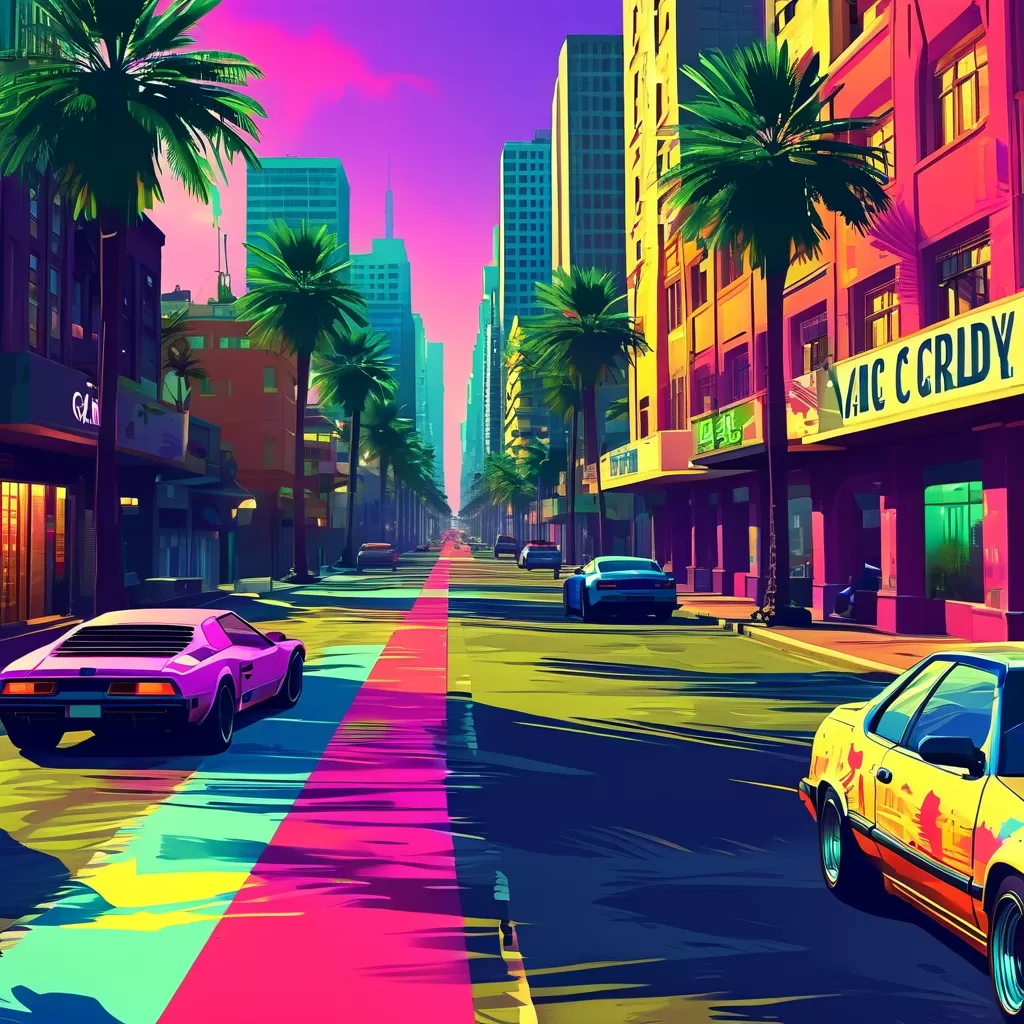 – A screenshot featuring Clem Russo navigating the streets of Vice City.
The narrative unfolds through a series of missions, many of which are tied to radio broadcasts received from Ken. These missions range from simple tasks like robberies and assassinations to complex heists and rescues. The choices you make often determine which characters you side with, influencing the story’s trajectory and the endings you unlock. Unlike San Andreas‘s sprawling, multi-story missions, Vice City‘s missions are generally shorter and more contained, fitting the game’s overall runtime. However, the sense of progression and consequence is still very much present.
Exploring Vice City is encouraged and often rewarding. Hidden secrets, collectibles, and side missions abound. The open-world design allows players to approach objectives in their own way, whether that means engaging in a firefight, using stealth, or simply cruising the streets. Rockstar implemented updated controls compared to GTA III, aiming for a smoother experience, though some players might find it less grounded than the San Andreas iteration. Grand Theft Auto: Vice City – Retro Game Reimagined
Retro Charm, Modern Legacy
One of Vice City’s most enduring strengths is its retro charm. It successfully captured the aesthetic and spirit of the 1980s, offering players a glimpse into that specific time period through interactive storytelling. The music is a key element here, blending classic pop, rock, and hip-hop of the era with original tracks that fit the Vice City vibe. Ultimate GTA San Andreas Cheats & Codes: Unleash All Secrets & Powers
– A character close-up, perhaps showing Ken Rosenberg’s distinctive style.
While the core mechanics might seem less cutting-edge than later GTA titles, Vice City’s focus on its unique setting and story provides a different kind of engagement. It’s less about sprawling, complex heists across a massive map and more about experiencing the grit and glamour of a single, distinct location over a defined period. This focus arguably deepened the player’s connection to the world and its inhabitants. Master GTA San Andreas Cheats: Unlock Infinite Fun & Hidden Secrets
Decades after its release, GTA Vice City remains relevant thanks to its cultural impact and the power of its setting. It proved that revisiting a specific historical period could yield a compelling and commercially successful game. Its success paved the way for remakes and renewed interest in the title. Furthermore, the Vice City Stories mobile game, released later, demonstrated the continued appeal of the setting and characters.
The enduring appeal can also be attributed to its status as a classic. Playing Vice City today, one still experiences the thrill of its missions and the charm of its world. It stands as a testament to Rockstar’s ability to blend compelling narrative, memorable characters, and innovative (for its time) open-world design. While subsequent GTA entries pushed the technological envelope further, Vice City offered something different: a focused, stylish, and deeply atmospheric crime saga set against the backdrop of one of gaming’s most beloved eras.
The Conclusion: A Timeless Tale of Vice
Grand Theft Auto: Vice City is more than just a game; it’s a meticulously crafted time capsule. It transports players to the neon-soaked heart of 1980s Los Santos, offering a unique blend of crime, corruption, and cultural nostalgia. While its gameplay foundation is shared with its contemporaries, its distinct setting, engaging (if sometimes simpler) narrative, and charming aesthetic set it apart.
Whether you experienced it fresh off the shelves in 2002, experienced it again through the definitive remaster on modern platforms, or are encountering it for the first time, GTA Vice City remains a cornerstone of the series. It captures the essence of a specific, vibrant decade and delivers it through the familiar lens of Rockstar’s open-world crime formula. Its exploration of ambition, loyalty, and the high cost of success against the backdrop of a corrupt city ensures its place as a beloved and influential title in the history of video games. It’s a trip back to a world of excess and danger, a retro tale that continues to resonate.