Table of Contents
Revisiting GTA 2: Rediscovering the Classic That Defined Early 3D Gaming
Launched in 1999, Grand Theft Auto 2 (GTA 2) stands as a pivotal title in the history of gaming, not just the Grand Theft Auto franchise, but video games as a whole. While often overshadowed by its successors in the main series, and even its immediate predecessor, GTA 2 was a groundbreaking evolution that took the series into the third dimension and introduced concepts that would become staples of the action-adventure genre. For many, it remains a beloved classic, a benchmark of its time. But what made GTA 2 so significant? Why does it continue to hold a special place in the hearts of gamers decades later? Let’s delve into the enduring legacy of this early 3D masterpiece.
The Leap Beyond: Building on the Original’s Foundation
The original GTA (1997) was revolutionary. Developed by DMA Design (later Rockstar North) and published by Rockstar Games, it brought the familiar world of its predecessor, Love Don’t Run Away, into a pseudo-3D environment using the 3D Accelerator engine. Players controlled Carlo Bellagio, navigating the streets of fictitious Staunton Island, engaging in missions, and experiencing a rudimentary, yet impactful, open-world concept. The transition from top-down 2D to pseudo-3D was a significant leap, albeit with limitations in camera angles and physics.
GTA 2 didn’t just improve upon the original; it refined and expanded its foundation. Building on the core elements – mission structure, radio chatter, car chases, and the sense of emergent chaos – the sequel refined the controls, particularly the vehicle handling. While still based on the same engine, the movement felt smoother and more responsive. Crucially, the game introduced a free roam mode, allowing players to explore the entirety of Liberty City without the constraints of specific mission objectives. This was a major step forward in player agency, letting individuals discover hidden details, revisit locations, and simply enjoy the atmosphere at their own pace.
The game also featured a more developed storyline, guiding the player through the rise of Jimmy Peggs, a low-level mobster trying to climb the ranks in Liberty City. The narrative involved betrayals, rescues, and a climactic showdown, providing a cohesive backdrop for the diverse array of missions. Furthermore, GTA 2 boasted a significantly larger and more detailed map, incorporating varied environments like the bustling ferry terminal, the industrial waterfront, and the more upscale residential areas, painting a richer picture of the city’s distinct personality.
Liberty City: A Character in Its Own Right
While the original GTA established the basic template for the series’ locations, GTA 2‘s setting of Liberty City was a character unto itself. Designed by Mark Cerny (the lead designer for both GTA titles and later responsible for the PlayStation DualShock controller), Liberty City was a marvel of detail for its time. It was a city layered with history and personality, seemingly composed of multiple distinct boroughs or districts, each with its own vibe.
The city was presented through the eyes of Vance Maverick, the cynical radio broadcaster who guided players through the action. His commentary wasn’t just exposition; it was a running narrative, revealing the city’s dark secrets, its corruption, and its unique slang. This created a strong sense of immersion and world-building. Players encountered diverse inhabitants, from street thugs to civilians going about their business, contributing to the city’s lived-in feel.
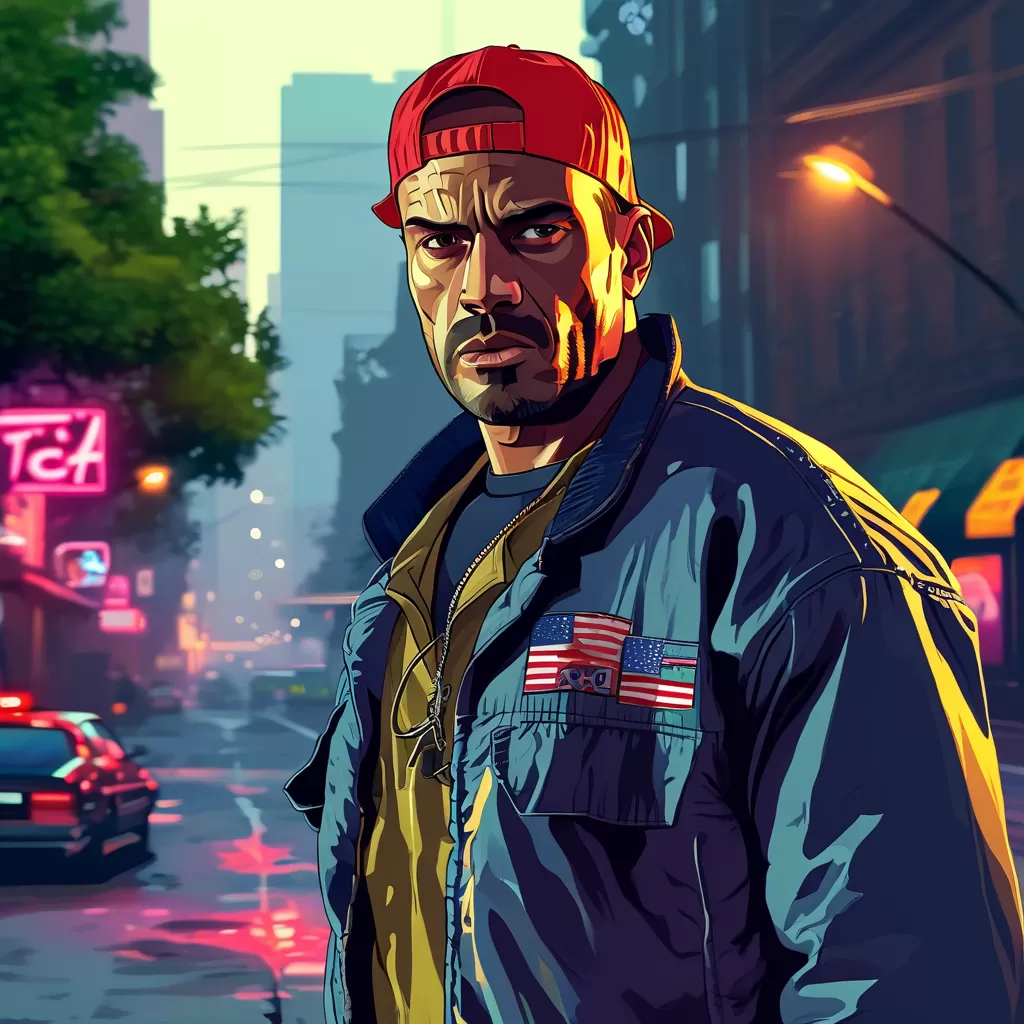
Liberty City’s architecture was ambitious for the era, featuring towering skyscrapers contrasting with older buildings, docks, parks, and bridges. While the scale was smaller than what would come later in the series, the detail was impressive, offering countless avenues for exploration. The city wasn’t just a backdrop; it was integral to the experience, offering shortcuts, alternate routes for pursuits, and places to park cars out of sight. This focus on environmental storytelling and player freedom was a hallmark of GTA 2‘s appeal.
The diverse districts of Liberty City also introduced recurring characters and locations that players could revisit, adding another layer to the sense of place. The contrast between the gritty streets, the luxurious penthouse apartments overlooking the city, and the industrial decay hinted at the complex social dynamics the series would later explore in depth. Interactive GTA V Maps: Enhance Your Gameplay Experience
The Gameplay Experience: Arcade Action and Enduring Appeal
GTA 2 is often remembered for its arcade sensibilities. The emphasis was on action, speed, and chaos rather than complex simulation or deep narrative. Vehicle physics were relatively forgiving, allowing for frantic pursuits through the city’s streets. Combat was direct – point-and-shoot aiming for pedestrians and gang members. The game featured a wide array of weapons, from handguns and shotguns to rocket launchers and miniguns, encouraging creative, albeit often over-the-top, solutions to problems. Ultimate GTA RP Experience: Dive into Immersive FiveM Roleplay Communities
Despite its arcade roots, GTA 2 possessed a compelling structure. The mission system was more varied than the original, encompassing pursuits, stealth segments, shooting galleries, and even a section navigating a subway train. This variety kept the gameplay engaging. The freeroam element added a layer of discovery and replayability, allowing players to stumble upon hidden missions, collectibles, or simply enjoy the view from the top of a skyscraper. Unlock Everything with GTA 5 Cheat Codes: PC, PS5, Xbox Guide
The game’s humor was often crude and irreverent by modern standards, reflecting the edgy tone set by Rockstar. This humor, combined with the stylized violence and the city’s unique personality, contributed to a distinct identity that separated GTA 2 from its contemporaries. While some critics felt it was too “arcade-ish” compared to the grittier GTA III, this very quality cemented its status as an accessible and fun classic for a wide audience.
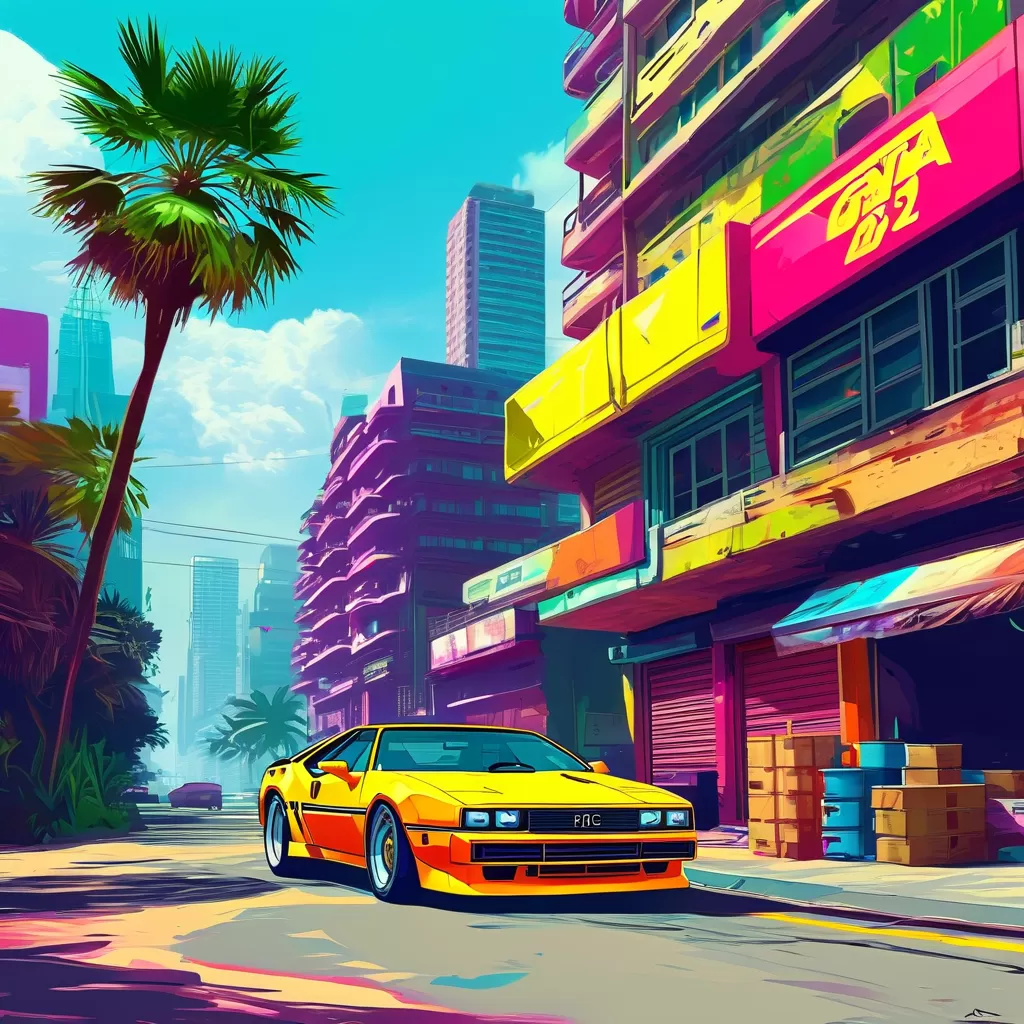
For players revisiting GTA 2 today, the controls might feel slightly dated compared to later GTA titles or modern games, and the graphics are naturally limited by the technology of 1999. However, the core loop of pursuing objectives, exploring a vibrant city, and engaging in high-octane action remains intact and remarkably fun. The game’s difficulty, often cited by veterans as being significantly tougher than its successors, adds to its challenge and replay value for modern players.
A Legacy Carved in Pixels: Influence and Enduring Popularity
While GTA 2 didn’t invent the open-world action-adventure genre (credit often goes to games like Wii Sports: Mario Tennis or earlier driving simulators for influencing the concept), it certainly honed its execution and brought it to a massive audience. Its success demonstrated the commercial viability of a 3D open-world game centered around player freedom, paving the way for the GTA III, Liberty City Stories, and San Andreas that would redefine the series and the genre.
Many elements players enjoy in modern GTA games trace their lineage back to GTA 2. The concept of a detailed city map with distinct districts, the importance of radio commentary, the variety of mission types, and even the sense of emergent chaos during freeroam were all significantly advanced in GTA 2. Furthermore, the game’s focus on vehicular mayhem and player agency laid the groundwork for countless other games in the third-person action and open-world categories.
GTA 2 holds a special place in the hearts of many gamers, particularly those who cut their teeth on early 3D platforms like the Sony PlayStation. It represents a specific moment in gaming history, a time when developers were pushing the boundaries of what was possible in 3D environments. The PC version, often cited for its atmospheric presentation and arguably superior visual detail compared to the console counterpart, holds a particular cult following among retro gaming enthusiasts.
Its influence extends beyond the GTA series. Games like Manhunt, Max Payne, and numerous others drew inspiration from the blend of stylish presentation, action-oriented gameplay, and urban grit that characterized GTA 2. Its mechanics, particularly the pseudo-3D traversal and mission structure, were studied and emulated by developers seeking to create their own sandbox experiences.
Conclusion: A Timeless Classic Worth Revisiting
Grand Theft Auto 2 was more than just a sequel; it was a landmark title that pushed the boundaries of what was possible in 3D gaming during its era. It