Table of Contents
Skyrocketing Toronto & GTA Population: A Look at Canada’s Urban Giants
Canada’s economic and cultural landscape is dominated by its major urban centers, none more so than the region encompassing Toronto and the Greater Toronto Area (GTA). These cities represent engines of growth, drawing people from across the country and the globe. Understanding the dynamics behind the Toronto and GTA population is crucial, not just for urban planners and policymakers, but for anyone seeking to comprehend Canada’s evolving demographic and economic trajectory. This article delves into the factors driving this significant growth, examines the current state of the Toronto and GTA population, and explores the implications for the future.
The Magnitude of Growth: A Historical Perspective
The expansion of the Toronto and GTA population hasn’t happened overnight. It’s the culmination of decades of steady growth, fueled by a combination of factors that have made the region increasingly attractive. Historically, the Toronto area has benefited from its status as Canada’s financial capital, a major port city, and a gateway to North America. Immigration has always played a vital role, but its impact has intensified over the years.
Examining recent census data provides a stark picture. According to the 2021 census, the Census Metropolitan Area (CMA) of Toronto boasts a population exceeding 6.2 million residents, firmly establishing it as Canada’s most populous city. To put this into a North American context, with a 2021 Census population of 2,794,356, Toronto ranks as the fourth-most populous city in the continent, following Mexico City, New York City, and Los Angeles. This significant ranking underscores its sheer scale.
The growth continues unabated. Projections indicate that the current metro area population of Toronto, as estimated for 2026, stands at approximately 6,551,000, representing a slight increase from 2025 figures. While the percentage change might seem modest, the absolute numbers reflect a continuous upward trend. Comparing this to the 2011 Census data, which recorded the entire GTA population (including Hamilton, Oshawa, and other municipalities) as 6,054,191, the growth is clearly evident. The region has consistently attracted new residents, transforming it into one of the fastest-growing metropolitan areas not just in Canada, but globally.
Drivers of the Toronto and GTA Population Explosion
Several interconnected factors contribute to the ongoing surge in the Toronto and GTA population. Understanding these drivers helps explain why this region remains a primary destination for people seeking opportunities in Canada.
Immigration Magnet: Canada’s federal and provincial government policies actively encourage immigration to bolster population growth and address labor market needs. Ontario, home to Toronto, receives a disproportionate share of these newcomers. Provincial Nominee Programs (PNPs), particularly those targeting skilled workers and entrepreneurs, often favor candidates willing to settle in the Greater Toronto Area due to its economic dynamism. International students who graduate from Ontario’s world-renowned universities also frequently find pathways to permanent residency, further adding to the Toronto and GTA population. This continuous influx of immigrants brings diverse skills, cultures, and perspectives, fueling the region’s economic engine.
Economic Powerhouse: The Greater Toronto Area is Canada’s economic heartland. It is home to the country’s largest concentration of businesses, financial institutions, and multinational corporations. The presence of the Toronto Stock Exchange and numerous corporate headquarters creates a vast demand for skilled labor across various sectors, from finance and technology to healthcare and logistics. This robust economy offers numerous employment opportunities, making the GTA an attractive place for career advancement and professional growth. The Gross Domestic Product (GDP) of the entire Ontario-Central division, which includes the GTA, was a massive $369 billion in 2021 (in 2012 $ billion), dwarfing Toronto’s own GDP contribution of $171 billion that year. This economic strength translates directly into job creation and higher incomes, pulling people into the region.
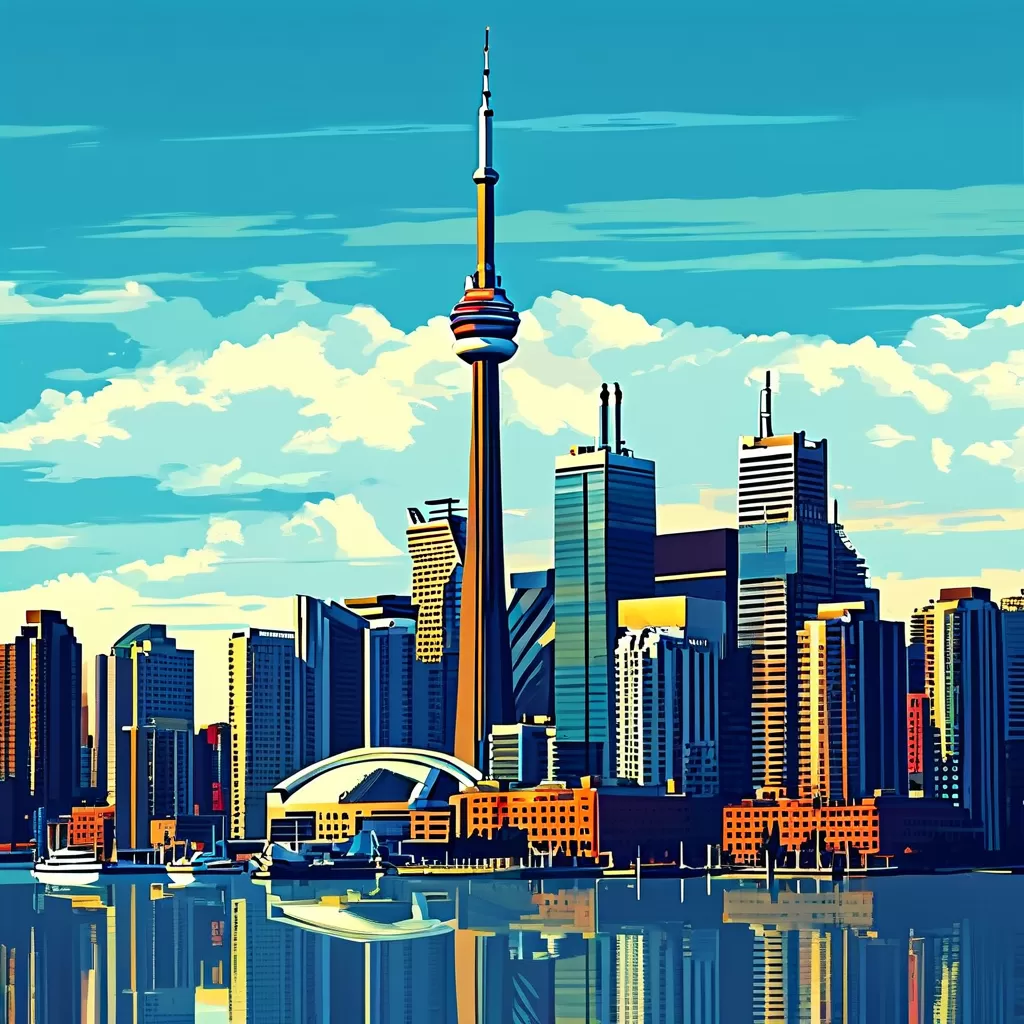 **Toronto Star GTA: Latest Headlines & Investigations from the Heart of Canada’s Finest**
High Quality of Life (Perception and Reality): While perhaps debatable in terms of raw metrics compared to some other global cities, Toronto and the surrounding areas are often perceived as offering a relatively high quality of life. Factors such as relative safety, extensive public services (including education and healthcare), and a degree of cultural tolerance contribute to this image. Furthermore, the region boasts a relatively temperate climate compared to many other Canadian cities, offering four distinct seasons that appeal to many. While challenges exist, including high housing costs and traffic congestion, the overall perception of opportunity and stability remains strong.
Centralized Government and Infrastructure: The concentration of federal and provincial government offices in the Toronto region adds another layer of employment and administrative activity. Coupled with significant investments in infrastructure (roads, transit, ports, airports), the region is continually working to improve its capacity to accommodate growth. While often struggling to keep pace with demand, these infrastructure investments are crucial for maintaining the region’s competitiveness and attractiveness.
These factors – immigration, economic vitality, quality of life, and government presence – form a powerful synergy that consistently draws people to the Toronto and GTA population.
Composition and Future Trends of the Toronto and GTA Population
The face of the Toronto and GTA population is constantly evolving. Beyond sheer numbers, understanding the demographic makeup and anticipating future trends is essential for grasping the region’s social and economic landscape.
Demographic Profile: The GTA population includes a vast array of backgrounds. Metropolitan Toronto (the city itself) and the surrounding municipalities host residents from every province in Canada and numerous countries worldwide. Visible minorities constitute a significant portion of the population, reflecting the region’s multicultural character. Age distribution is also key; while the GTA attracts younger adults seeking education and work, it also retains families and older adults, leading to a diverse age structure across different municipalities within the area.
Urbanization Pattern: Growth is often concentrated in specific corridors extending out from the central city. Areas like Vaughan, Brampton, Mississauga, and Oshawa have experienced rapid expansion in recent decades. This sprawl presents challenges related to urban planning, infrastructure development, and environmental sustainability, while also creating new communities and housing opportunities. **Dive Deep into GTA Toronto’s Thriving Population: Past, Present, Future** How Big Is GTA? (gta acre)

Future Projections: Based on current trends, the Toronto and GTA population is expected to continue growing significantly in the coming decades. Projections suggest that the Greater Toronto area alone could surpass the 9-million mark by 2041, driven primarily by immigration. This projected growth will necessitate substantial investments in housing, transportation, and public services to ensure the region can accommodate its residents effectively and sustainably.
Challenges Ahead: The rapid growth presents several challenges:
- Housing Affordability: One of the most pressing issues is the gap between population growth and housing construction, leading to high property values and rental costs, making the region inaccessible for many potential residents.
- Infrastructure Strain: Existing infrastructure, including roads, public transit, hospitals, and schools, is under increasing pressure and requires significant upgrades and expansion.
- Sustainability: Managing growth in an environmentally responsible way, minimizing urban sprawl, and promoting green infrastructure are critical concerns.
- Social Integration: Ensuring that rapid demographic changes translate into cohesive communities and effective social integration requires ongoing effort from governments and community organizations.
Addressing these challenges will be crucial for harnessing the benefits of growth while mitigating potential negative impacts.
Conclusion: Canada’s Urban Future in the Making
The story of the Toronto and GTA population is one of remarkable dynamism and significant influence. Its sheer size, fueled by immigration and economic strength, positions it as a global urban center of immense importance. Understanding the factors behind its growth – from welcoming newcomers to its role as Canada’s economic engine – highlights why this region continues to attract residents seeking opportunity.
While the future holds exciting potential for the Toronto and GTA population, it also demands careful planning and foresight. Balancing the need for continued growth with the challenges of affordability, infrastructure, and sustainability will be key. The trajectory of the Greater Toronto Area and Metropolitan Toronto shapes not only Ontario’s but Canada’s overall demographic and economic future. Its success in managing this complex growth narrative will have lasting implications for the nation and the world. The Toronto and GTA population isn’t just growing; it’s evolving into a defining feature of Canada’s 21st-century landscape. [IMAGE_PLACEHOLDER: Map showing the GTA, highlighting major cities and growth corridors]