Table of Contents
Remembering the GTA III Legacy: The Game That Revolutionized Open-World Gaming
On October 22, 2001, a game was unleashed upon the world that would fundamentally alter the landscape of video games. It wasn’t just another entry in a popular series; it was a complete reinvention, a bold leap into the future of open-world gaming. That game was Grand Theft Auto III, often simply called GTA III. While the series before it had established Rockstar Games as a major player, GTA III wasn’t just good; it was revolutionary. It marked the definitive shift from top-down perspectives to fully three-dimensional environments, setting a new standard that countless games would follow. This article delves into the legacy of Grand Theft Auto III, exploring its groundbreaking mechanics, its immersive narrative, and the profound cultural impact it continues to have, solidifying its place as one of the most important games in history.
The Pioneering Leap: From Top-Down to 3D Immersion
Before GTA III, the Grand Theft Auto series operated primarily in a top-down view, a format inherited from the Police Quest series that preceded it. While predecessors like GTA II offered more freedom than the original, they were still confined to a 2D plane viewed from above. GTA III, developed by DMA Design (later known as Rockstar North), was the first game in the series to be rendered in a fully three-dimensional, first-person perspective. This seemingly simple change was, in fact, a monumental technical achievement and a paradigm shift.
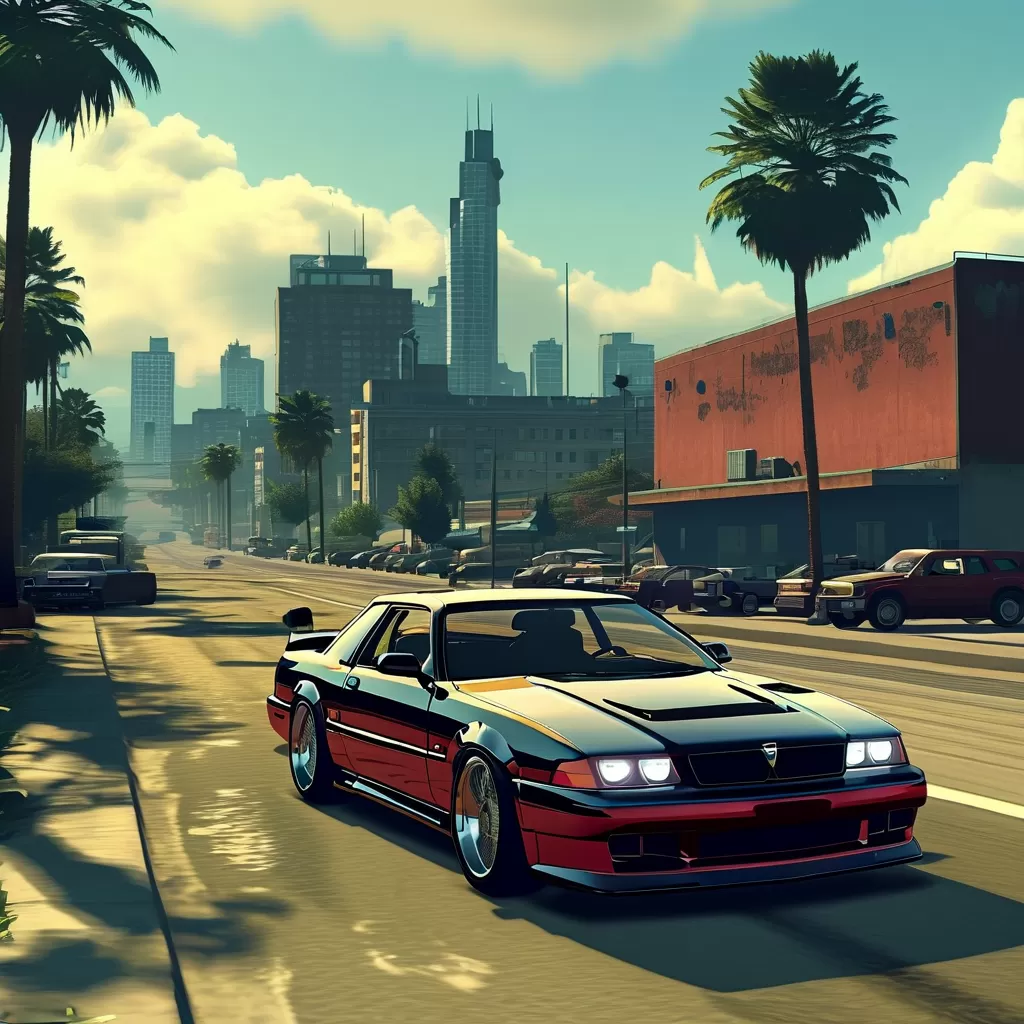
Creating a seamless, explorable 3D world of the scale and detail required for Liberty City was a massive undertaking in 2001. It pushed the boundaries of what was possible on consoles like the PlayStation 2 and personal computers. The developers had to innovate in areas like collision detection, texture management, and rendering techniques to ensure the game ran smoothly despite the ambitious scope. The result was a city that felt vast and alive, offering a level of verticality and environmental interaction previously unseen in the series.
Liberty City: More Than Just a Setting
The game brought players to the fictional metropolis of Liberty City, a sprawling, detailed environment meticulously crafted to evoke the dark underbelly of 1980s New York City. This wasn’t just a backdrop; it was a character in itself. Liberty City was designed with a complex history, visible through its architecture, street names, and cultural references. You could see the echoes of past glories in the grand, decaying buildings, the remnants of past conflicts, and the pervasive sense of urban decay.
The world of GTA III wasn’t just a static map; it was a living space. Citizens went about their business, cars drove around, and the environment reacted dynamically to the player’s actions. This dynamic world simulation, albeit basic by today’s standards, was a huge step forward. Players could explore countless side streets, climb buildings, and discover hidden locations, fostering a sense of discovery and freedom that was truly revolutionary for its time.
Gameplay Mechanics: Defining the Action-Adventure
While the 3D environment was the most obvious innovation, GTA III also refined and expanded the gameplay mechanics that would become hallmarks of the series.
The Core Gameplay Loop
At its heart, GTA III is an action-adventure game centered around heists and missions. Players control the protagonist, the Vercetti (a name chosen by Rockstar in honor of lead designer Mark Cappuccino‘s dog), navigating the streets of Liberty City to complete a series of increasingly complex missions. These missions ranged from simple car thefts to elaborate multi-stage heists involving robberies, assassinations, and controlling territory.
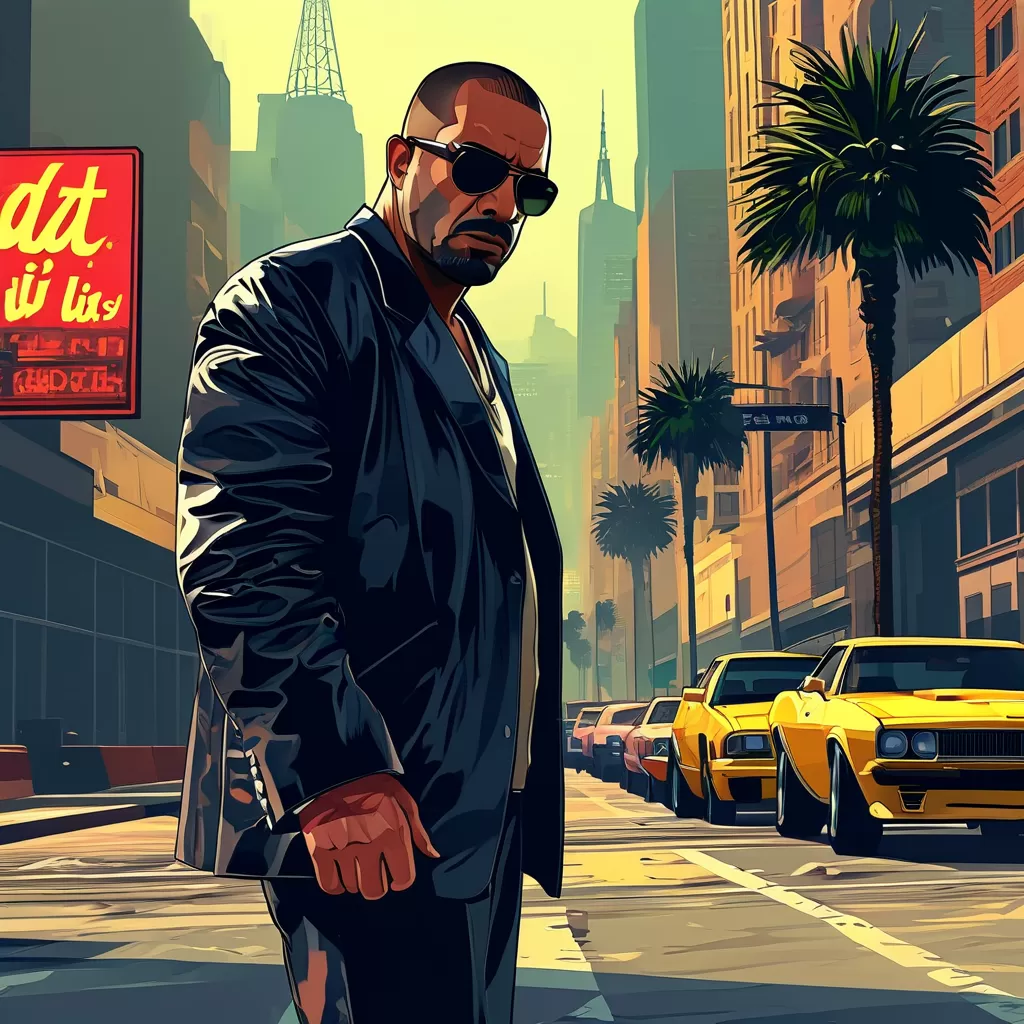
The stealth mechanics were particularly emphasized in GTA III compared to its predecessors. Players were often rewarded for completing objectives without excessive violence, using cover, distracting guards, or simply being clever. This added a layer of strategic depth, encouraging players to adapt their approach based on their preferred playstyle – whether they wanted to be a sneaky cat burglar or a wanton killer.
Combat was visceral and impactful. Firing weapons felt satisfying, and the consequences were often immediate and brutal. The health system was central – players needed cover and medical attention after taking damage, emphasizing the lethality of the world. This was a stark contrast to the top-down games where players could often shrug off multiple bullets. The vehicle mechanics also evolved, allowing for more dynamic pursuits and creative uses of cars, from high-speed chases to using vehicles as cover or weapons.
Microtransactions and Their Impact
Within the core gameplay, players could earn money by completing missions and performing side activities. This money could be used in the in-game microtransactions system, which allowed players to purchase upgrades for their character’s appearance, weapons, vehicles, and other items. While a simple concept now, this was one of the first major implementations of this system and had a significant impact on player engagement and the game’s economy.
It’s also worth noting the infamous “Grand Theft Auto” mission included in the game. As one player noted, completing this notoriously difficult heist remained a challenge even after many years, highlighting the game’s design ambition and the high stakes involved in mastering its mechanics. GTA 6 GTA: Rockstar’s Next Chapter—What to Expect in the Highly Anticipated Sequel
The Narrative and Cultural Impact
While GTA III was primarily an action game, it also contained a narrative, albeit a somewhat episodic one. The story revolved around the Vercetti‘s rise as a powerful crime boss in Liberty City, following a series of successful heists. The narrative was delivered through mission briefings, newspaper clippings found throughout the city, radio chatter, and environmental storytelling. Grand Theft Auto: San Andreas – The Unchained Classic
A Darker Tone and Mature Themes
GTA III significantly deepened the mature themes and cynical tone that had been present in the series since its inception. It depicted violence, crime, and the corrupting influence of power with greater intensity and realism. The depiction of Liberty City itself was intentionally dark and seedy, mirroring the grittier portrayal of New York City in the late 1980s during the crack cocaine epidemic and the rise of organized crime. This focus on social realism and the harsh realities of urban life was a departure from the more cartoonish elements sometimes present in earlier games and set a new benchmark for thematic depth in mainstream video games. **Revolutionary Impact: Why GTA III Still Resonates 20 Years Later**

The cultural impact of GTA III was immense. It proved that a third-person perspective could deliver a compelling open-world experience, paving the way for the countless 3D open-world games that followed, from the San Andreas expansion of GTA VC to titles like The Elder Scrolls series, Assassin’s Creed, and Red Dead Redemption. Its success demonstrated a massive global appetite for large-scale, persistent, player-driven action in detailed virtual worlds.
Legacy and Enduring Relevance
Decades after its release, GTA III’s influence is undeniable. It established the template for modern open-world design, influencing everything from the scale and detail of these worlds to the emphasis on player freedom and emergent gameplay. Its storytelling techniques, blending mission structure with environmental narrative, remain relevant. Even the criticisms leveled at it – the repetitive nature of certain missions, the sometimes-unforgiving difficulty spikes, and the dated visuals – highlight its ambition on a grand scale.
Rockstar’s subsequent efforts built upon the foundation laid by GTA III, creating larger, more detailed worlds and more complex narratives. However, GTA III remains a touchstone title, a game that changed the industry forever. Its legacy isn’t just in its technical innovations, but in its success in creating a world so vast and engaging that players felt they could truly inhabit it, driving cars, climbing buildings, and living out lives of crime (and occasionally, civic duty) in the sprawling metropolis of Liberty City.
The Enduring Appeal: Why GTA III Still Matters
So, what makes the legacy of Grand Theft Auto III continue to resonate today? Part of its enduring appeal lies in its historical significance. It was the game that broke the top-down mold and ushered in the 3D era for the GTA series, influencing generations of developers and gamers. Playing GTA III now feels like stepping back into a different time in gaming history, appreciating the technical constraints and design philosophies of the early 2000s while recognizing the foundation they built.
For modern players, the game offers a fascinating glimpse into the evolution of open-world design. The relative simplicity of the world compared to today’s standards,