Table of Contents
Grand Theft Auto IV: Revolutionizing the Gaming World Since 2008
Released in 2008, Grand Theft Auto IV (GTA IV) stands as a monumental achievement in the gaming industry, a title that fundamentally altered the landscape of open-world action-adventure games. Developed by Rockstar North and published by Rockstar Games, GTA IV was the sixth main entry in the incredibly influential Grand Theft Auto series, and its impact was profound. It wasn’t just another entry in a popular franchise; it was a revolution, setting new standards for storytelling, graphics, gameplay mechanics, and immersion that many developers still strive for today. This article delves into the reasons behind GTA IV’s revolutionary status, its groundbreaking features, its enduring legacy, and why it continues to be celebrated as a pivotal moment in gaming history.
The Genesis of a Legend: Building on Strengths
The development of GTA IV was a massive undertaking for Rockstar Games. Building upon the foundation laid by its critically acclaimed predecessor, GTA III, which had shifted the series from top-down to a three-dimensional open world, Rockstar North aimed even higher. The team recognized the need to evolve the formula while maintaining the core appeal that had made the series so successful.
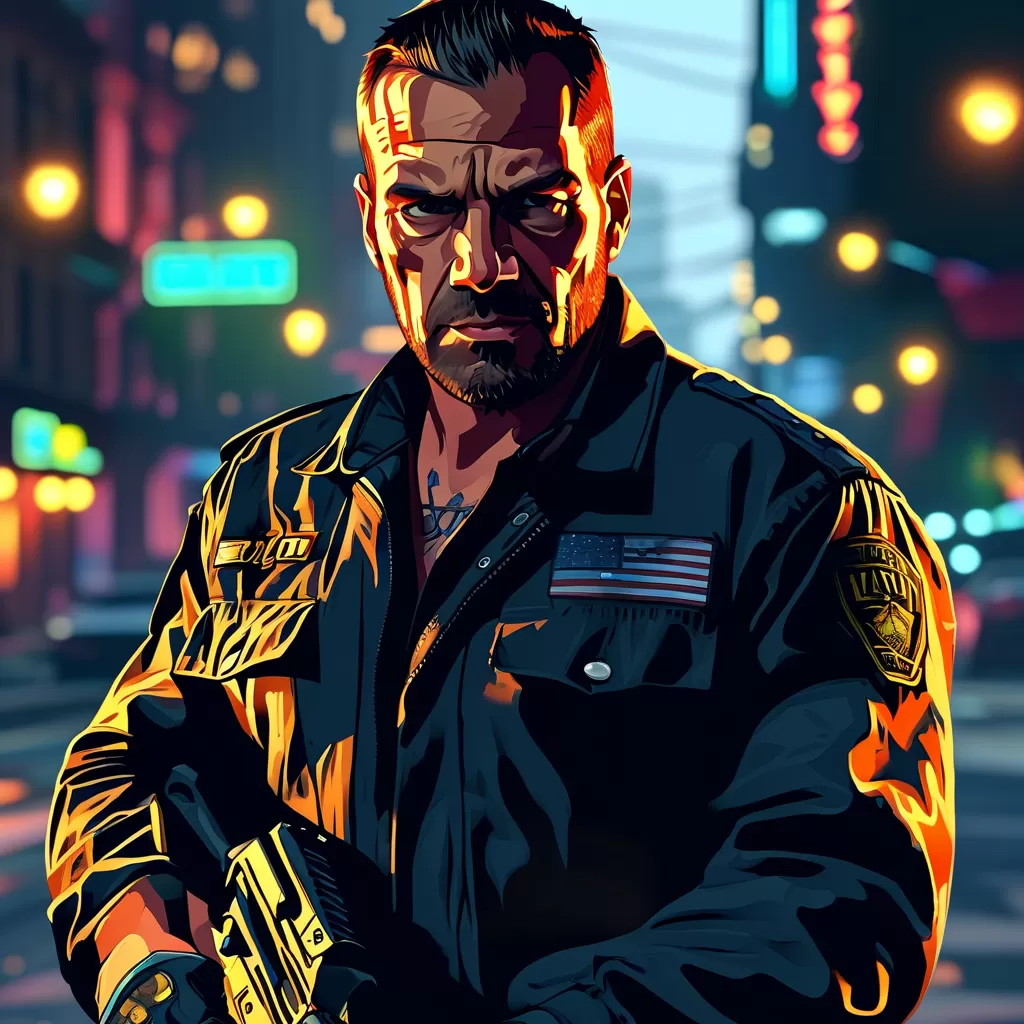
One of the most significant aspects of GTA IV’s development was its focus on cinematic storytelling. Unlike its predecessors, which featured episodic radio broadcasts, GTA IV introduced Niko Bellic, a complex protagonist recently arrived in Liberty City from Eastern Europe, grappling with the past that brought him to America seeking the American Dream. This narrative shift moved the series away from a purely satirical, third-person perspective towards a more grounded, albeit still criminal, experience. The story, penned by luminaries like Karl Schaefer and Terry Rossio, was praised for its depth, its mature themes, and its exploration of identity, belonging, and the consequences of choices.
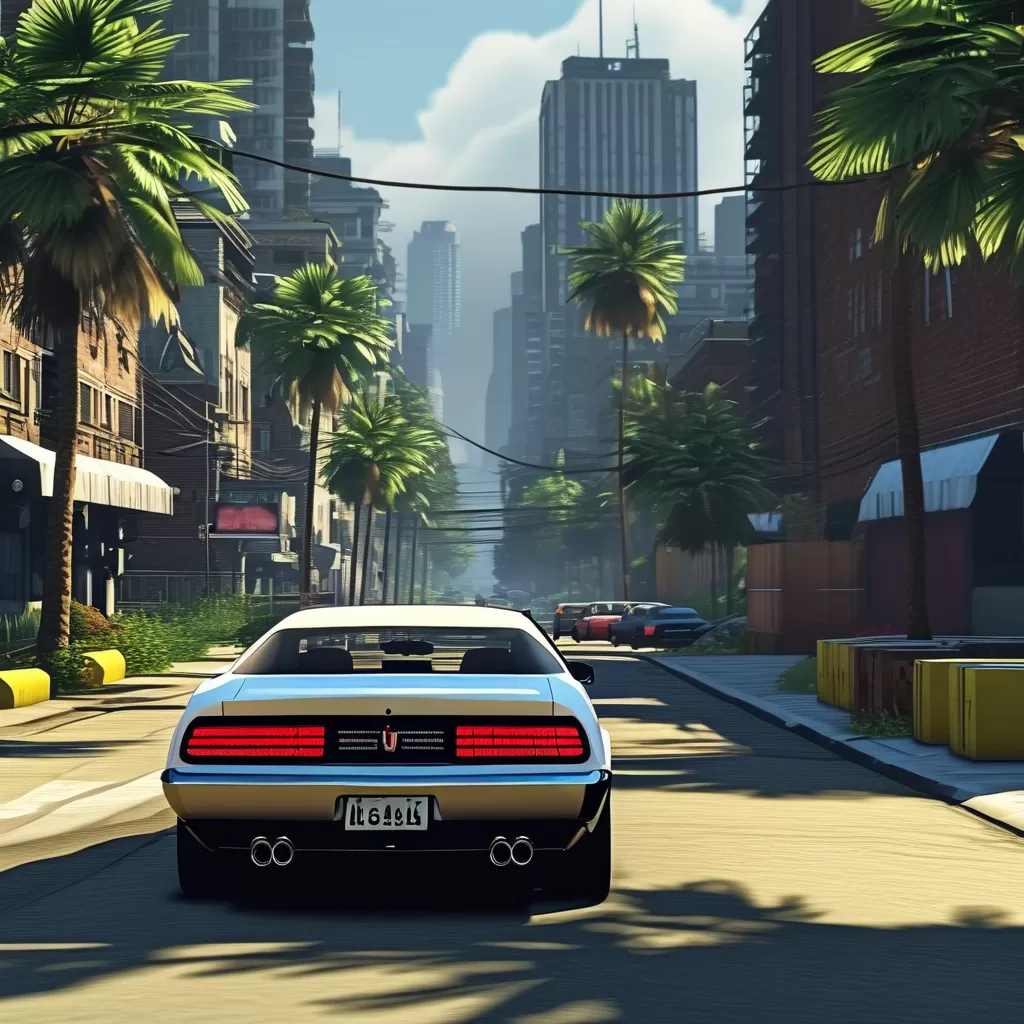
Technologically, GTA IV was pushing the boundaries. Rockstar Games had developed their proprietary RAGE engine, and its implementation in GTA IV was a tour de force. The engine delivered unprecedented levels of visual fidelity for its time. Cities like Liberty City, Vinewood, and Shoreside Vale were rendered with stunning detail, boasting dynamic lighting, realistic shadows, complex particle effects, and a vast array of highly detailed characters and vehicles. This graphical leap was not merely cosmetic; it directly contributed to a more immersive and believable world.
The development team also focused extensively on refining core gameplay elements. They addressed perceived limitations of previous installments, particularly concerning vehicle physics and handling. The result was a revolutionary driving system that felt more grounded and realistic than anything seen in a mainstream game before. Climbing, parkour-like traversal was integrated seamlessly, allowing Niko to navigate the urban environments with agility. Furthermore, the introduction of the Advanced Melee System added a new layer of tactical combat, encouraging players to get up close and personal, often leading to more visceral and satisfying encounters.
Groundbreaking Features and Gameplay Innovations
GTA IV introduced numerous features that set a new benchmark for action-adventure games, many of which have become staples of the genre, most notably found in later Rockstar titles like GTA V and GTA Online.
Enhanced Open World Design
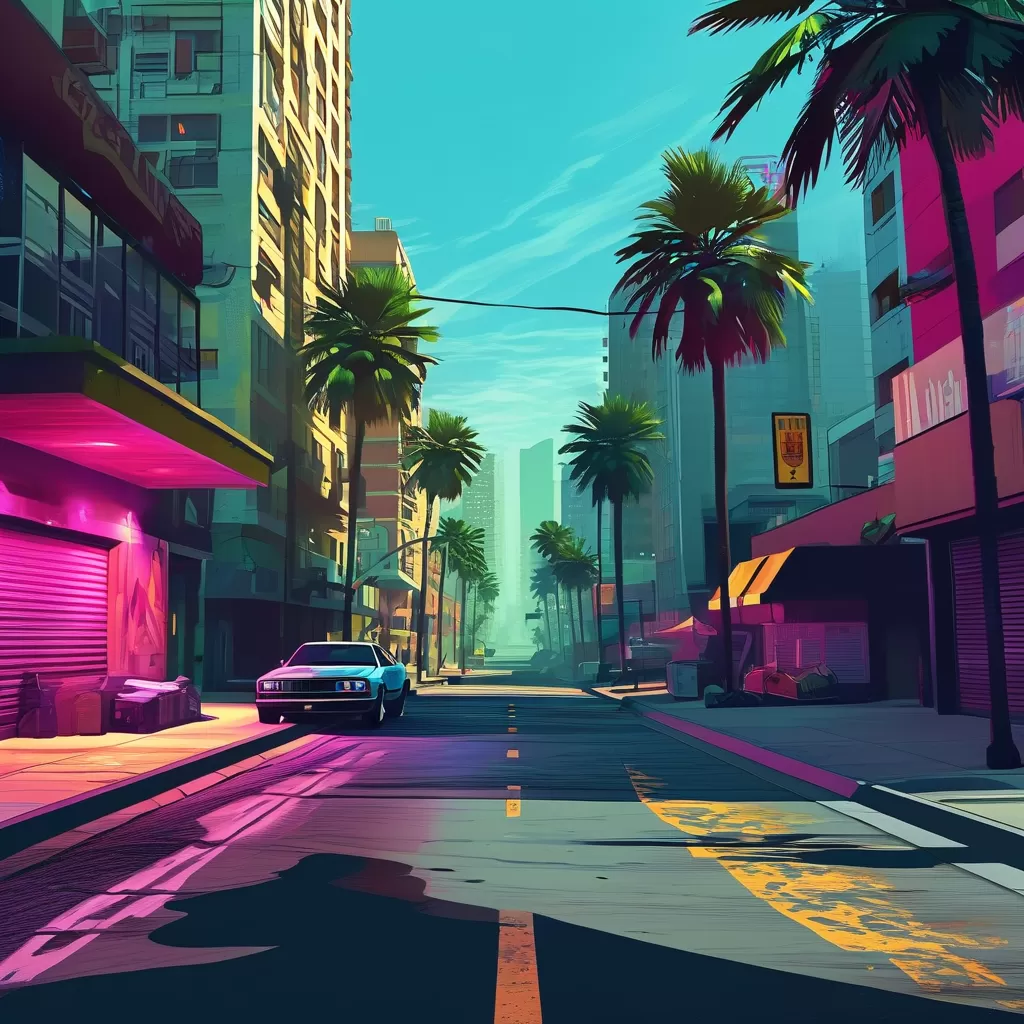
The open world in GTA IV was revolutionary in its scope and design philosophy. Liberty City felt less like a collection of disconnected zones and more like a living, breathing entity with its own rhythms and secrets. The attention to detail was remarkable – from the sprawling architecture and diverse neighborhoods to the minute details scattered throughout the environment, like newspaper headlines, graffiti tags, and unique character interactions.
Beyond sheer size, Rockstar implemented a more sophisticated system for world interaction. Weather conditions dynamically affected gameplay – visibility, driving physics, and even certain activities. Day and night cycles offered drastically different experiences, altering patrol routes, changing the feel of certain areas, and influencing criminal activity. This dynamic world encouraged players to explore not just for side quests, but because the world itself felt alive and reactive.
The navigation system was improved, making exploration less frustrating and more rewarding. Players could easily pinpoint locations on their map and seamlessly travel between them, fostering a sense of freedom within the vast urban sprawl. This focus on creating a believable, explorable world was a key factor in GTA IV’s success and its lasting appeal.
The Believable Driving Experience
Often cited as one of the most significant advancements in GTA IV was its driving mechanics. The physics simulation was a major leap forward, offering a level of realism and nuance previously unseen in mainstream gaming. Vehicles handled differently based on their type (sports cars felt nimble, trucks were slow and heavy, motorcycles offered speed and agility), and the controls demanded a certain skill to master, rewarding careful driving. Remembering the GTA III Legacy: The Game That Revolutionized Open-World Gaming **GTA Grand Auto 5: Dive into Epic Action, Thrilling Missions, and Exclusive Online Adventures**
Crucially, the driving system incorporated elements of realism that added depth to the gameplay. Performing actions like drifting required specific inputs and skill, often offering better rewards. The ability to coast realistically, brake smoothly, and handle turns with precision added a layer of immersion rarely found before. This focus on realistic vehicle interaction not only served the core gameplay loop but also enhanced the sense of place within Liberty City.
Complementing the driving was the refined climbing system. Niko could scale buildings, fences, and other structures with relative ease, allowing for vertical traversal that opened up new perspectives and often bypassed combat or traffic. This verticality added a new dimension to exploration and combat, letting players reach vantage points and avoid confrontations in creative ways.
Cinematic Combat and Narrative Depth
GTA IV placed a greater emphasis on cinematic combat than its predecessors. The melee system, in particular, was a standout feature. Engaging in close-quarters combat required timing, dodging, and parrying, turning fights into tense, interactive sequences rather than simple button-mashing. This was further elevated by the presence of non-combat skills like persuasion and intimidation, which could be used to de-escalate situations or gain advantages, reflecting Niko’s personality and the game’s themes. Grand Theft Auto: San Andreas – The Unchained Classic
The narrative structure itself was more akin to a single-player movie experience. Instead of episodic missions, GTA IV featured a continuous story driven by a compelling central plot, complemented by a vast array of side activities and missions. This allowed for deeper character development and world-building. Bellic’s journey wasn’t just about committing crimes; it was about understanding his motivations, his past in Europe, and the choices he made in Liberty City. The voice acting, performances by actors like Michael Madsen as Niko Bellic, and the atmospheric score by Mark Mothersbaugh contributed significantly to the game’s immersive and often melancholic tone.
Multiplayer Evolution with GTA Online
While not initially conceived as a purely multiplayer title, GTA IV laid the groundwork for the incredibly successful GTA Online platform that followed. The single-player game featured a persistent online component, allowing players to engage in activities like Wanted heists, races, and freeroam with other players. This demonstrated Rockstar’s understanding of the growing importance of online multiplayer and community engagement.
Though the scale and depth of later online iterations are much larger, the integration of online features in the base game of GTA IV was a forward-thinking move that showcased the potential of connecting players within the same persistent world. It proved that players were willing to invest time in activities beyond the main story, paving the way for the expansive online ecosystems seen in GTA V and beyond.
Legacy and Enduring Impact
Nearly two decades after its initial release, GTA IV remains a critical and commercial success, selling millions of copies worldwide. Its influence on the gaming industry is undeniable. It pushed technological boundaries, refined core gameplay elements, and elevated the narrative ambitions of action games.
Many of the innovations introduced in GTA IV – the sophisticated RAGE engine, the realistic driving mechanics, the cinematic combat system, the focus on world design and immersion – became hallmarks of subsequent Rockstar Games titles, most notably GTA V and its expansive GTA Online iteration. The success of GTA IV demonstrated that players were receptive to more mature, story-driven, and technically ambitious games, paving the way for the diversification and maturation of the open-world genre.
Even today, GTA IV holds up remarkably well. While graphics can be enhanced through community-created mods, the core gameplay loop, the engaging story of Niko Bellic, and the sense of Liberty City’s atmosphere remain potent. Its impact was revolutionary, not just within the GTA series, but across the entire landscape of third-person action-adventure games. It showed developers what was possible when pushing the envelope in storytelling, technical prowess, and gameplay depth.
The release of GTA IV marked a clear turning point. It wasn’t just a game; it was a statement. It revolutionized the way players experienced open worlds, interacted with vehicles, navigated environments, and engaged with narratives. Its success cemented Rockstar Games’ position at the forefront of game development and established a new standard for interactive entertainment that continues to resonate even as new generations of gaming hardware emerge.
[IMAGE