
Table of Contents
Revolutionary Impact: Why GTA III Still Resonates 20 Years Later
Two decades have passed since a single, pivotal moment reshaped the landscape of modern gaming. On October 22, 2001, Rockstar Games unleashed GTA III upon the world, a title that would irrevocably alter the trajectory of the Grand Theft Auto franchise and redefine the action-adventure genre itself. Forget the top-down perspective of its predecessors; GTA III plunged players headfirst into a vibrant, three-dimensional world unlike anything seen before in a mainstream video game. While the years since have seen countless sequels, spin-offs, and near-perfect sequels, the original GTA III remains a benchmark. Its revolutionary impact wasn’t just about graphical fidelity or increased scale; it was about fundamentally changing how players interacted with, explored, and lived within a game world. So, why does this foundational title still resonate powerfully two decades later? Let’s delve into the reasons.
The Genesis of a New Dimension: Breaking Ground with 3D
Before GTA III, the series operated under the constraints of an isometric viewpoint, limiting the player’s ability to truly immerse themselves in the sprawling metropolises Rockstar crafted. GTA III, developed by the relatively young DMA Design (later Rockstar North), boldly abandoned this convention. It was the first game in the series to utilize a true 3D perspective, allowing players unprecedented freedom of movement and exploration within Liberty City. This wasn’t merely a visual upgrade; it was a philosophical shift. Suddenly, missions weren’t just followed on a fixed path; players could detour down side streets, climb buildings, swim in the harbour, and discover hidden corners that breathed life into the environment.
The technical achievement was significant, especially considering the hardware limitations of the time. Running on the relatively modest Eidos engine (a modified version of the one used for Half-Life) on the PlayStation 2 and PC, GTA III managed to create a believable, albeit often gritty and dark, open world. While not photorealistic, its visual style – particularly the stark contrast between bright daytime Liberty and the oppressive darkness of night – was influential. The introduction of a rudimentary cover system in certain missions, like the iconic “Payback” heist, was a precursor to the tactical depth seen in later GTA titles. More importantly, the 3D environment demanded new gameplay mechanics. The six-directional movement (including jumping and swimming) and the ability to look around freely meant players could approach problems creatively, whether it was escaping pursuit by climbing a drainpipe or simply discovering new businesses to rob or socialize in. This freedom was revolutionary and set a new standard for open-world design.
Consider the impact on player agency. In previous GTA titles, exploration was often secondary to following the main storyline. In GTA III, exploration became integral. Players were genuinely rewarded for venturing off the beaten path, whether through discovering new missions, hidden collectibles, or simply experiencing the diverse locales of Liberty City unfold in a way that felt organic. This emphasis on emergent gameplay and player choice was a stark contrast to the linear, pre-programmed experiences many games offered at the time. The world of GTA III felt alive and reactive, responding to the player’s presence and actions in ways previously unimaginable. This technical and design breakthrough laid the groundwork for the expansive, player-driven narratives that define the modern GTA series.
Weaving a Tapestry of Crime and Character: Narrative Depth and Replayability
Often overshadowed by its technical innovation is the narrative power that GTA III brought to the series. Set in the fictional, noir-inspired metropolis of Liberty City, the game followed Liberty City Stories‘ protagonist, Carrie, but more significantly, it introduced Jimmy, a young, ambitious man thrust into the gritty underbelly of crime. The story unfolds over three distinct acts, each representing a period in Jimmy’s life as he rises through the ranks of the Metalhead, Serpent’s Kiss, and finally the DiDi Buzz crews. While the overarching narrative is driven by a mission list, the way the story unfolds was groundbreaking.
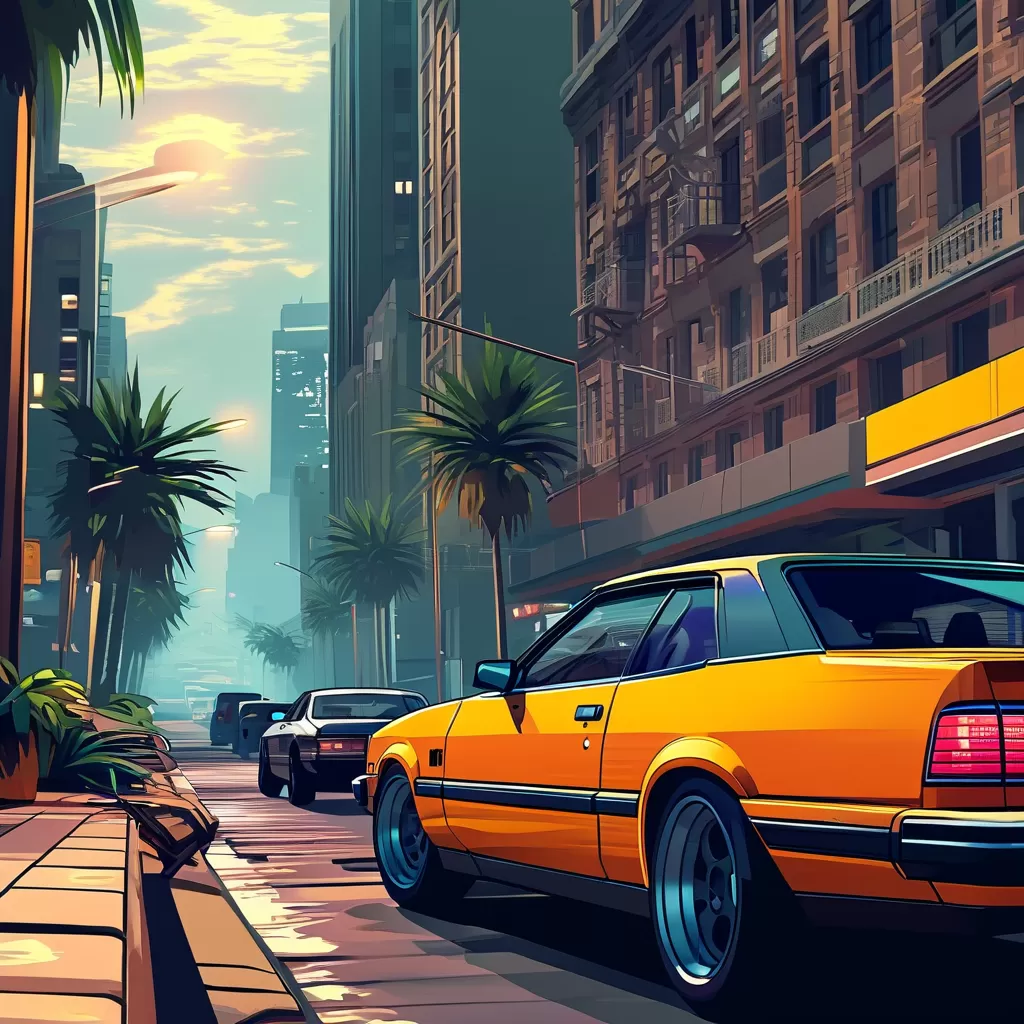 Grand Theft Auto IV: The Game That Revolutionized Open-World Gaming
GTA III masterfully blended traditional mission structure with emergent storytelling. The main storyline missions provided the framework, but countless side missions, races, heists, and interactions populated the world, offering countless ways to experience the narrative. Players could choose which characters to trust, which gangs to align with, and which criminal enterprises to pursue, directly influencing the story’s progression and outcome. The world reacted to these choices, with different factions offering different paths and consequences. This was a significant departure from the more linear, single-path narratives common before.
The writing, particularly the dialogue and character interactions, marked a turning point for the series. While predecessors had memorable characters, GTA III leaned into a grittier, more cynical, and often humorous tone that resonated with players. The Liberty City Stories expansion further explored this narrative depth, offering a compelling character arc for Carrie and delving into themes of disillusionment and escape. Together, GTA III and Liberty City Stories provided a richer, more nuanced backdrop for the player’s own escapades. The emotional weight of the narrative – the rise and fall, the betrayals and friendships – added a layer of complexity that made the crime caper feel less like a simple arcade game and more like a living, breathing world with its own history and characters. GTA 1: The Original Heist That Changed Gaming Forever
Crucially, this narrative foundation fueled unparalleled replayability. Twenty years on, players don’t just replay GTA III to see the ending; they revisit Liberty City to experience different storylines (thanks to DLC like Liberty City Stories and Creepy Crawlers), discover hidden locations, undertake long-forgotten side missions, or simply enjoy the nostalgic thrill of the original experience. The vastness of the world and the sheer number of activities available ensured that there was always something new to find, making each playthrough unique. The combination of a compelling core narrative and endless emergent gameplay remains a key factor in its enduring appeal. GTA $: The Ultimate Money-Grubbing Heist Guide
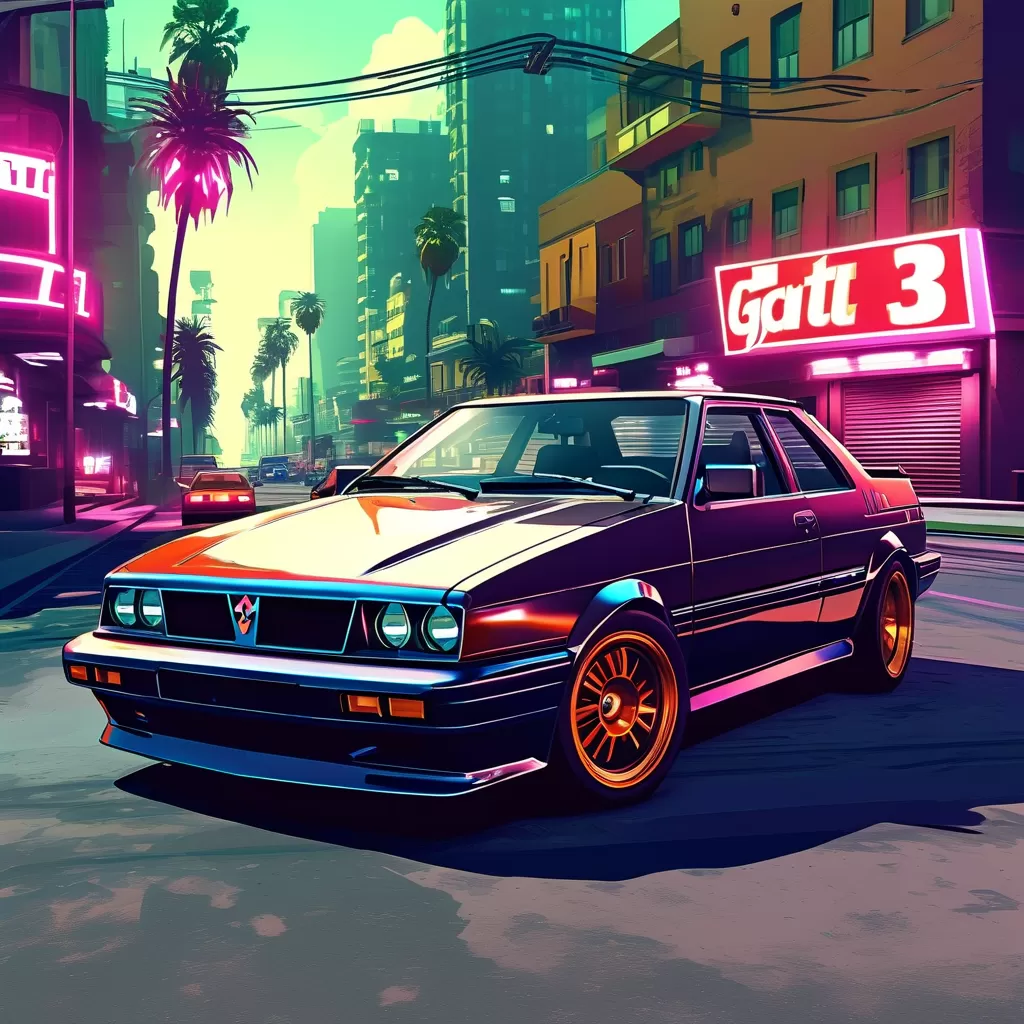
Legacy, Influence, and The Enduring Allure of Liberty City
The influence of GTA III extends far beyond the boundaries of the Grand Theft Auto franchise. It served as a blueprint for countless open-world games that followed, demonstrating the potential of persistent, three-dimensional game worlds. Games like The Elder Scrolls III: Morrowind, Shenmue, and titles in the Grand Theft Auto lineage itself owe a significant debt to the technical and design innovations of 2001’s GTA III. Its success proved that players were hungry for more immersive worlds and deeper, player-driven narratives.
Rockstar Games built upon the foundation laid by GTA III, creating larger, more detailed cities in GTA: Vice City and GTA: San Andreas, pushing the envelope further with each iteration. However, the core DNA of GTA III – the emphasis on exploration, the blend of mission structure and emergent gameplay, the darkly comedic tone, and the feeling of inhabiting a living world – remained central. The Rockstar Games label itself became synonymous with this level of ambitious, world-class design.
Why does this specific iteration of the formula still capture attention twenty years later? Perhaps it’s because it was the original, the catalyst. It represents a clear before-and-after in gaming history. Playing GTA III today feels like stepping into a time capsule of sorts, an artifact of a pivotal moment in game development. The technology might be dated by modern standards, but the design philosophy – putting the player in the driver’s seat of a vast, interactive narrative – feels surprisingly contemporary.
Furthermore, the world of Liberty City, with its unique architecture, diverse districts (Portland, Vinewood, Staunton Island), and distinctive personality, remains iconic. The sense of place cultivated by GTA III was unlike anything else at the time, and its influence can be seen in the world-building of countless subsequent games. The freedom offered by the 3D world, the surprise of discovering hidden paths or missions, and the chaos of its vibrant, lawless streets continue to resonate. It wasn’t just a game; it was an experience, a digital sandbox where players could live out their fantasies of crime and